MAWA / KHOA PLANT COST & SETUP GUIDE
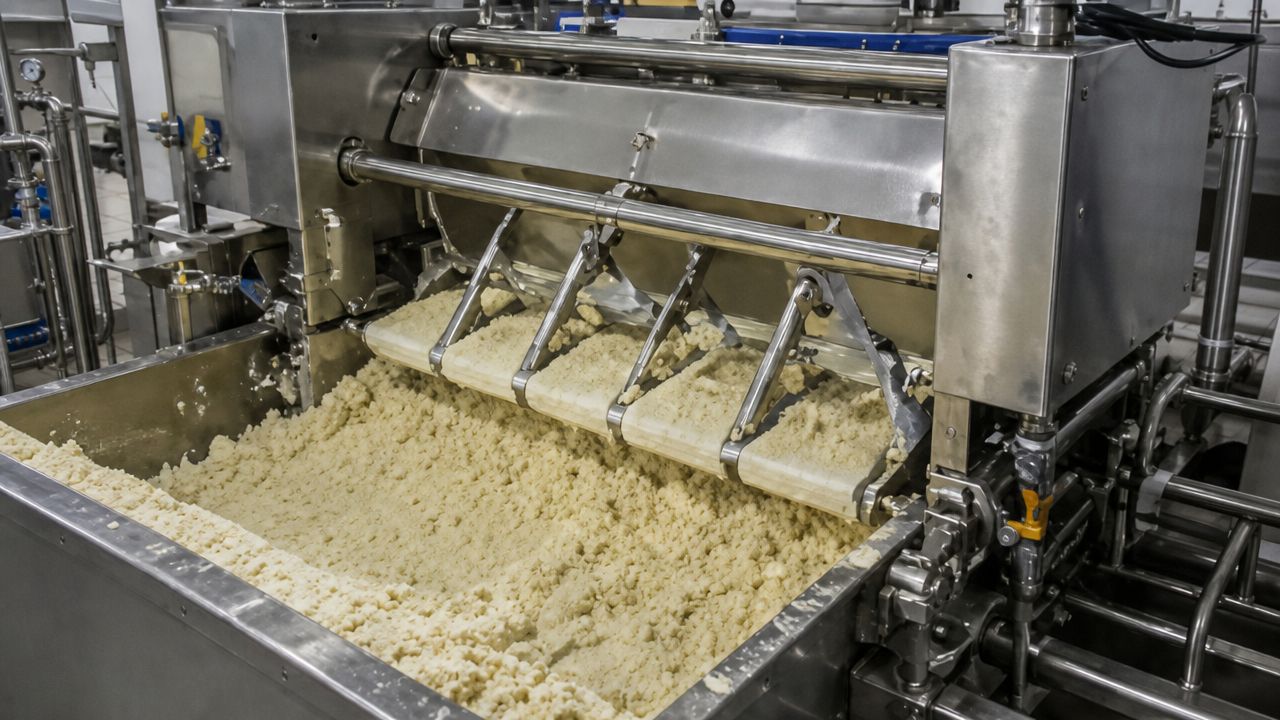
One of the first questions every sweet manufacturer asks is: what does a mawa / khoa plant cost, and how do I set one up? The honest answer is that cost is driven by capacity, automation level and scope — not a single number. This guide breaks down what actually determines your investment, so you can plan realistically. ATMAN Group has delivered khoa and dairy lines from compact units to federation-scale plants since 2008.
What Drives Mawa / Khoa Plant Cost
- Capacity — a small khoya kettle line is a fraction of a continuous commercial plant.
- Batch vs continuous — batch khoya kettles vs continuous mawa machines change both capex and labour.
- Automation level — manual vs automated concentration and packing.
- Packaging — block, tub or vacuum format and degree of automation.
- Utilities & compliance — steam/boiler, cooling, effluent and FSSAI-grade construction.
Licences & Space You’ll Need
A mawa/khoa unit needs FSSAI registration/licence, GST, and local pollution-control clearance (GPCB in Gujarat) for effluent. Space depends on capacity — a small unit fits a modest hall; commercial lines need dedicated processing, cold storage and utility areas. We assess your site and statutory requirements as part of project scoping.
How to Start a Mawa / Khoa Business
- Fix your target output and market (loose/wholesale vs packed retail, local vs distribution).
- Lock milk supply and quality.
- Choose capacity with headroom to scale (batch to continuous).
- Complete FSSAI/GST/GPCB.
- Engage a turnkey partner for design → supply → install → commission.
Want a realistic budget for your capacity? Share your target output and we’ll respond with capacity options, a budgetary estimate and an indicative timeline. See the full Mawa / Khoa Plant or request a project consultation.